
Key Takeaways
- Between ages 3 and 6, children often make noticeable progress in language, social interaction, thinking, movement, and independence.
- Preschool developmental milestones are useful reference points, but children may reach them at different times and in different ways.
- Look beyond whether your child can complete a particular task. Their growing confidence, curiosity, communication, and ability to solve problems can be just as meaningful.
- Preschool gives children regular opportunities to practise social, cognitive, communication, and motor skills through everyday experiences and interactions.
- Open communication between parents and educators can help build a fuller picture of your child’s development and identify where additional support may be helpful.
Introduction
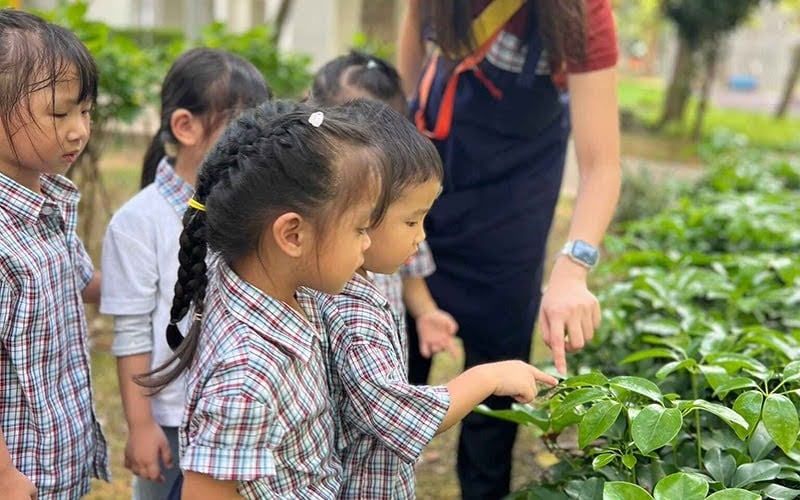
One day, your child may suddenly tell you a longer story about what happened at preschool. A few weeks later, you might notice them taking turns more patiently, dressing with less help, or trying to solve a problem before asking an adult to step in.
These changes can be easy to miss, but together, they show how much development is taking place in their early years. From the ages of 3 to 6, children make progress across language, social interaction, thinking, movement, and independence.
While every child develops at their own pace, knowing what progress can look like in these areas gives you a useful point of reference. Below, we explore some of the key developmental milestones parents should keep an eye out for during the preschool years, and what they can tell you about your child’s growth.
Key Developmental Milestones in Early Childhood
1. Language and Communication: Is Your Child Expressing More?
Preschool is often when children begin to express themselves in noticeably more complex ways. According to the American Speech-Language-Hearing Association:
- Around age 3: Many children can take part in short conversations and speak clearly enough for familiar adults to understand them most of the time.
- Around age 4: They may use longer sentences, talk about something that happened earlier, and follow two- to three-step instructions.
- By ages 5 to 6: Many children can tell simple stories, use more complex sentences, and stay engaged in longer conversations.
Rather than focusing on how many words your child knows, pay attention to how they use language throughout the day. They may start asking more questions, explaining what happened at preschool, expressing what they need, or responding more confidently in conversations.
If your child takes a little longer to express themselves or follow instructions, using clear language, visual cues, stories, and giving them enough time to respond can help build their confidence.
2. Social and Emotional Development: How Does Your Child Engage With Others?
You may start to notice your child becoming more aware of other people during the preschool years. Instead of simply playing beside other children, they may begin inviting others into a game, taking turns, deciding who will play which role, or comforting a friend who is upset.
Preschool also gives children plenty of opportunities to build these social and emotional skills. Through group play, shared routines, conversations, and everyday disagreements, children learn to wait for their turn, express how they feel, listen to others, and find ways to resolve problems together.
Every child will develop these skills at their own pace, so it is more helpful to look for growing confidence in how they interact, communicate, and respond to others over time.
3. Cognitive Development: How Is Your Child Thinking Through Problems?
Children become increasingly curious and capable thinkers during the preschool years. Around ages 3 to 4, they may begin sorting objects by colour or shape, recognising simple patterns, understanding cause and effect, and asking frequent questions about how things work. By around age 5, many can count to at least 10, recognise some letters and numbers, and understand basic sequences such as “first”, “next”, and “last”.
It can be just as useful to notice how your child approaches a problem. Do they test different ideas? Try again when something does not work? Connect a new experience with something they already know? Hands-on materials, repetition, and breaking information into smaller steps can help children build these skills at a manageable pace.
4. Physical Development: How Is Your Child Gaining Greater Control?
Physical development includes both fine and gross motor skills. Gross motor skills involve larger movements such as running, climbing, jumping, and balancing, while fine motor skills rely on smaller, more precise movements used for drawing, dressing, fastening buttons, or handling tools.
As these skills develop, your child may start to move with greater confidence and control. They may become steadier when climbing or hopping, more accurate when catching a ball, and more comfortable using pencils, scissors, or small objects.
How We Support Each Child’s Development at E-Bridge Pre-School
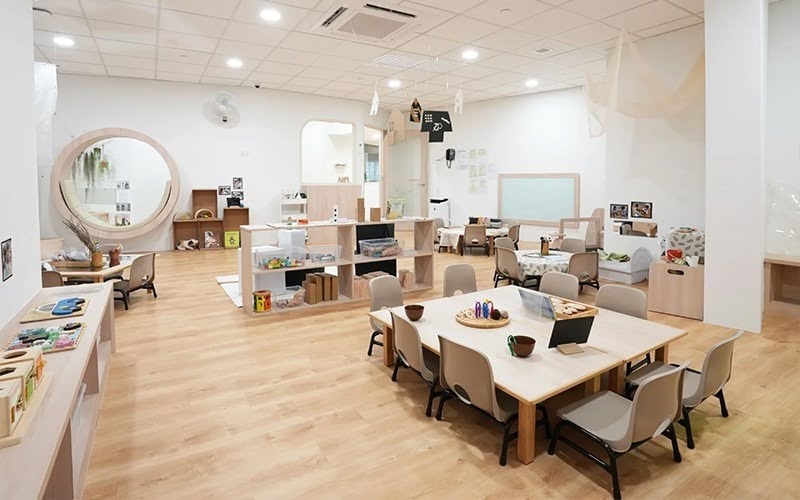
At E-Bridge Pre-School, we recognise that children may reach their preschool developmental milestones at different times and in different ways. Our educators observe how each child communicates, interacts, explores, and responds to new experiences, before using those observations to guide the support and opportunities they provide.
In practice, this means creating a preschool environment where children have regular opportunities to build these skills.
- Inquiry-based learning: We encourage children to ask questions, investigate ideas, test possibilities, and make connections through meaningful experiences.
- Open-ended materials: We offer materials that children can use in different ways, giving them space to explore ideas, create, communicate, and build fine motor control through hands-on experiences.
- Purposeful movement: Indoor and outdoor play areas and learning experiences encourage children to move with confidence while developing balance, coordination, strength, and body awareness.
- Supportive relationships: Our educators respond with patience and consistency, helping children express themselves, work through disagreements, and feel more confident participating with others.
- Growing independence: Clear routines and accessible environments encourage children to take increasing responsibility for tasks such as caring for their belongings, making choices, and completing everyday routines.
- Responsive support: Rather than expecting every child to progress in the same way, we consider their individual strengths and areas where they may need additional guidance.
Together, these experiences give children different ways to build confidence and practise their emerging skills. Just as importantly, they allow our educators to respond to each child’s development with care, patience, and appropriate support.
What If You Have Concerns About Your Child’s Development?
It is normal for children to reach milestones at different times, so one skill developing later than expected does not always mean there is a problem. Instead, look at the broader pattern over time. Is your child continuing to make progress, even if it happens gradually?
If you notice ongoing difficulties with communication, social interaction, movement, or everyday routines, share what you have observed with your child’s educators. They can offer another perspective based on how your child participates and responds in the preschool environment. If the concerns continue or begin affecting daily life, you may also consider speaking with a paediatrician or another relevant professional for further guidance.
Conclusion
Understanding developmental milestones in preschool can help you notice the many ways your child is growing, but there is no single path that every child needs to follow. Some changes may happen quickly, while others take more time. What matters is the progress you see over time, whether your child is becoming more confident in conversation, more comfortable with others, more curious in their thinking, or more independent in everyday routines.
At E-Bridge Pre-School, we see children as capable, curious individuals with their own strengths, interests, and ways of learning. Our Reggio Emilia-inspired approach gives them space to explore ideas, make choices, build relationships, and revisit learning experiences, while our educators pay close attention to how each child is developing and where they may need more support.
If you would like to understand how we support preschool development milestones through our environment and learning experiences, contact us to learn more or arrange a visit.