
- Home >
- Curriculum >
- Reggio Emilia >
- Guided inquiry-Based Learning
Guided inquiry-Based Learning
Guided Inquiry-Based Learning: What It Is and Why It Matters
Guided inquiry-based learning encourages children to explore ideas through questioning, investigation, and reflection. Rather than focusing on memorisation, it invites children to observe, experiment, and discuss their discoveries.
In early childhood settings, learning often begins with a child’s curiosity. Educators extend these interests into meaningful experiences that deepen understanding. Through hands-on exploration and thoughtful dialogue, children develop critical thinking, creativity, and confidence in problem-solving.
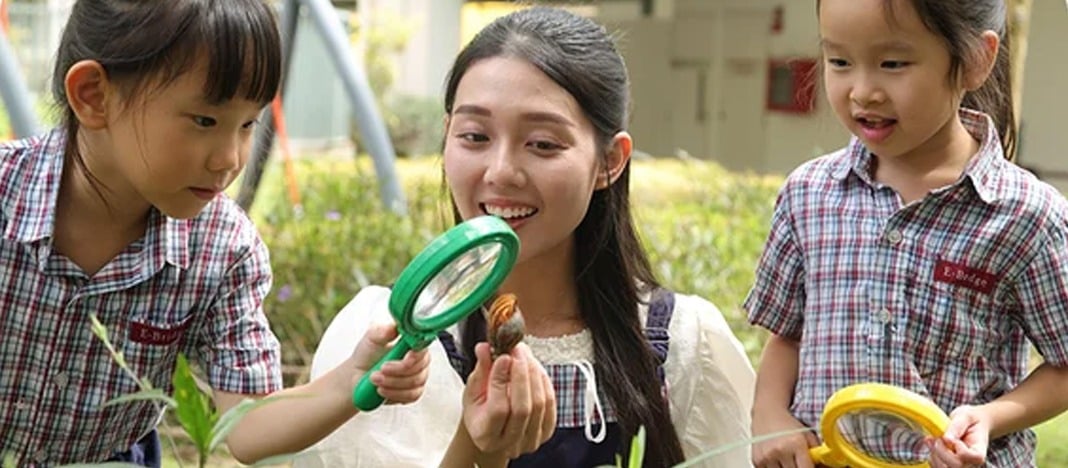
Types of Guided Inquiry-Based Learning
Guided inquiry-based learning can take different forms depending on how much guidance educators provide. Each type supports curiosity while balancing structure and independence.
Confirmation Inquiry
In confirmation inquiry, children explore a question where the outcome is generally known. Educators provide the question and process, and children investigate to confirm understanding. This builds foundational knowledge while introducing the habits of questioning and observation.
Structured Inquiry
Structured inquiry begins with a teacher-led question, but children explore the answer through guided investigation. Educators provide materials and direction, while children analyse findings and draw conclusions. This type strengthens reasoning skills within a clear framework.
Guided Inquiry
In guided inquiry, children are given a broad question and take greater responsibility for exploring solutions. Educators support the process by prompting reflection and extending thinking. This encourages deeper engagement and more independent problem-solving.
Open Inquiry
Open inquiry gives children the greatest level of autonomy. They generate their own questions, design ways to investigate, and share findings. Educators act as facilitators, ensuring exploration remains purposeful while allowing curiosity to lead the learning journey.
Benefits of Guided Inquiry-Based Learning
With the right implementation, guided inquiry-based learning supports children’s development in ways that extend beyond academic knowledge. It nurtures curiosity while strengthening essential thinking and social skills.
Encourages Deeper Understanding
Rather than memorising information, children explore concepts through questioning and investigation. This helps them make meaningful connections and retain understanding more effectively over time.
Develops Critical Thinking Skills
As children test ideas and reflect on outcomes, they learn to analyse information and consider different perspectives. This builds reasoning skills and supports independent thought.
Builds Confidence in Learning
When children are given space to ask questions and share discoveries, they feel valued. Confidence grows as they realise their ideas matter and contribute to group discussions.
Strengthens Collaboration and Communication
Inquiry often involves working alongside peers. Through discussion and shared exploration, children practise listening, expressing ideas clearly, and solving problems together.
Fosters Lifelong Curiosity
By positioning questions as the starting point of learning, this approach encourages children to remain curious. They learn to view challenges as opportunities to discover rather than obstacles to avoid.
What Guided Inquiry-Based Learning Looks Like in Daily Practice
In everyday classroom life, guided inquiry-based learning is woven naturally into children’s routines. It does not always appear as a formal lesson. Instead, it unfolds through thoughtful questions, hands-on exploration, and guided reflection.
Exploring Real-World Topics
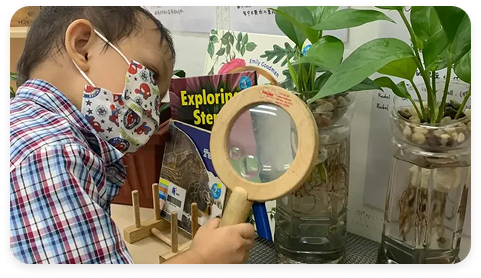
Learning often begins with familiar, real-world experiences. Children might explore how plants grow, why objects sink or float, or how communities work. These relatable topics spark genuine curiosity and make learning meaningful.
Experimenting with Materials
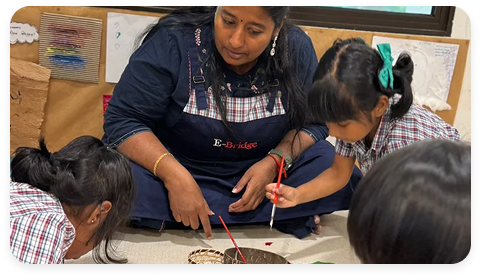
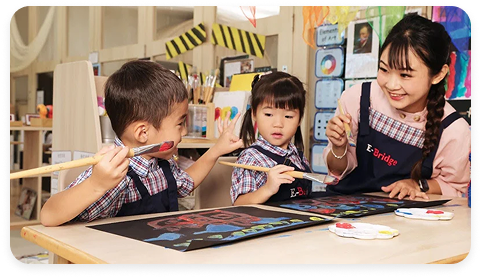
Children are given opportunities to test ideas using open-ended materials. They may mix colours, build structures, or observe changes in water and sand. Through experimentation, they form hypotheses and adjust their thinking based on what they discover.
Measuring, Observing and Recording
Inquiry involves careful observation. Children may compare sizes, track growth, or record findings through drawings and simple charts. These experiences introduce early numeracy and scientific thinking in age-appropriate ways.
Presenting Ideas to Peers
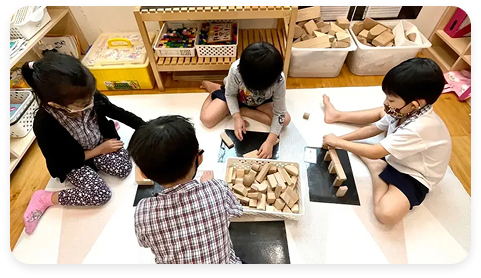
Sharing discoveries is an important part of the process. Children explain what they have observed, listen to others’ perspectives, and refine their understanding through discussion. This builds confidence and strengthens communication skills.
How Parents Can Foster Guided Inquiry-Based Learning at Home
Guided inquiry-based learning does not need specialised materials or structured lessons. At home, everyday moments can become opportunities for curiosity and discovery when children are encouraged to ask questions and explore ideas.
• Welcome Questions and Wonder
When your child asks “why” or “how”, resist the urge to give quick answers. Instead, respond with another question such as, “What do you think?” or “How could we find out?” This keeps curiosity alive and encourages independent thinking.
• Create Opportunities for Exploration
Simple activities like cooking, gardening, or building with recycled materials can spark investigation. Invite your child to observe changes, compare results, and share what they notice. The focus is on the process of discovery rather than the outcome.
• Encourage Reflection Through Conversation
After an activity, talk about what your child learned or found surprising. Reflection strengthens understanding and helps children organise their thoughts. Listening attentively also reinforces that their ideas are valued.
• Allow Time for Unhurried Discovery
Curiosity thrives when children are not rushed. Providing space for experimentation and revisiting ideas allows deeper understanding to develop. Small, consistent moments of exploration can nurture a lasting love of learning.
Frequently Asked Questions
Is guided inquiry-based learning suitable for young children?
Yes. Guided inquiry-based learning can be adapted for different developmental stages. Even in infant care in Singapore, simple forms of exploration such as sensory play and observing changes in the environment lay early foundations for curiosity and problem-solving.
How is guided inquiry-based learning different from child-led learning?
While both approaches value children’s interests, child-led learning places strong emphasis on children initiating ideas. guided Inquiry-based learning focuses specifically on questioning, investigation, and reflection. In practice, the two approaches often complement each other.
How does this approach connect to the 100 languages of children?
Inquiry encourages children to represent ideas in multiple ways. This aligns with the concept of the 100 languages of children, where expression can take place through drawing, building, movement, storytelling, and discussion, not only through words.
Will my child still learn literacy and numeracy skills?
Yes. Through guided exploration, children develop early literacy and numeracy in meaningful contexts. Measuring, observing patterns, recording findings, and discussing ideas all strengthen foundational skills within a preschool setting.
Does guided inquiry-based learning prepare children for primary school?
Yes. By encouraging questioning, reflection, and collaboration, children build critical thinking and confidence. These skills support smoother transitions to more structured academic environments.
What should parents look for in a school that uses guided inquiry-based learning?
In preschools in Singapore that adopt inquiry-based learning, parents may notice classrooms filled with open-ended materials, visible documentation of children’s thinking, and educators who ask thoughtful questions rather than provide immediate answers. Sustained projects, rich dialogue, and opportunities for collaboration are key indicators of authentic practice.