
Key Takeaways
- Building resilience in preschoolers helps children manage emotions, recover from setbacks, and approach challenges with confidence.
- Everyday experiences, such as solving problems, navigating friendships, and learning from mistakes, help children develop resilience and coping skills.
- Supportive preschool environments that encourage emotional development, collaborative play, and child-led learning help children build confidence, adaptability, and perseverance.
- Parents and educators play an important role in fostering resilience through consistent guidance, encouragement, and opportunities for children to learn from everyday challenges.
Introduction
Every child experiences moments of frustration, disappointment, and uncertainty as they grow. A tower falls apart after careful building. A favourite toy must be shared. A new environment feels unfamiliar and overwhelming. While these moments may seem small to adults, they provide valuable opportunities for preschoolers to develop resilience. Over time, these everyday experiences shape how they respond to setbacks, adapt to change, and navigate unfamiliar situations with confidence.
What is Resilience?
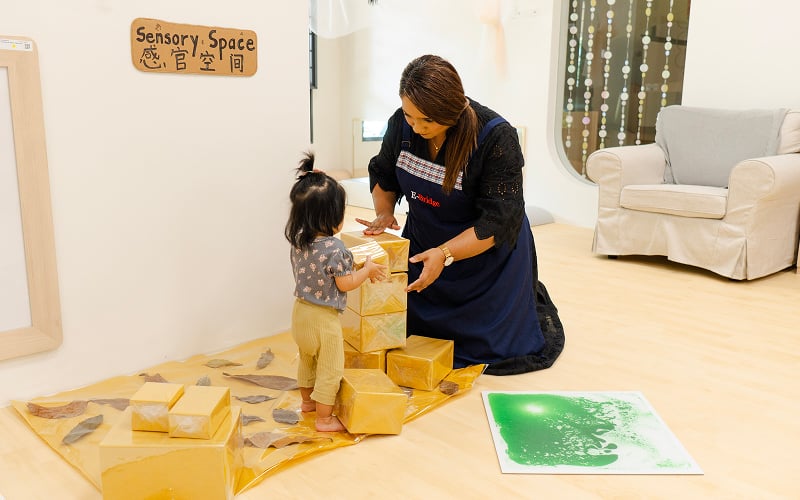
Resilience is a child’s ability to cope with challenges, manage emotions, and recover from setbacks in healthy and constructive ways. During the early years, this may look like trying again after making a mistake, calming down after becoming upset, or adapting to new routines and unfamiliar situations.
Rather than developing overnight, resilience grows through everyday experiences, supportive relationships, and guidance from trusted adults. As children encounter challenges and learn how to work through them, they gradually build the confidence and skills to navigate future setbacks.
Some signs of resilience in preschoolers include:
- Asking for help when needed
- Taking deep breaths when feeling upset or overwhelmed
- Trying again after making mistakes
- Expressing emotions using words instead of reacting impulsively
Over time, these experiences help children develop emotional regulation, build positive relationships, and approach new challenges with greater confidence and adaptability.
The Importance of Raising Resilient Children
Better Emotional Regulation in Early Childhood
Resilient children gradually learn to manage strong emotions in healthy and constructive ways, rather than reacting immediately with tantrums, withdrawal, or frustration. For example, a child who loses a game may feel disappointed at first but, with guidance and practice, learns to calm down, express their feelings, and continue participating positively. Over time, they become better equipped to recover from setbacks and navigate challenging situations.
Greater Confidence and Independence
As children learn to work through small challenges on their own, they develop confidence in their abilities. Everyday experiences, such as packing their bag, resolving a disagreement, or trying again after making a mistake, help them become more independent, capable, and resilient.
Stronger Social Skills and Friendships
Children who can manage frustration and adapt to different social situations often find it easier to collaborate, share, and resolve conflicts with peers. For instance, a child who learns to take turns during play is more likely to build positive friendships and participate confidently in group learning experiences throughout their school years and beyond.
Improved Readiness for School and Learning
Resilient children are often better prepared to manage classroom routines, follow instructions, and persevere when learning becomes challenging. Rather than giving up after making a mistake, they are more willing to keep trying, learn from their experiences, and embrace new challenges with confidence.
How Preschools Foster Resilience in Preschoolers
Young children are more likely to develop confidence and healthier coping skills when families and preschools work together to provide consistent guidance and support. Through daily routines, meaningful learning experiences, positive relationships, and opportunities to navigate everyday challenges, preschool environments play an important role in helping children build resilience from an early age.
Opportunities to Solve Problems Independently
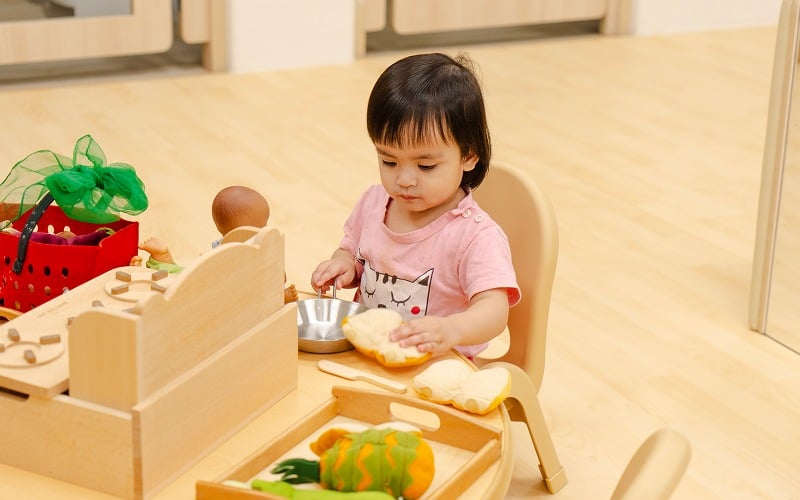
When children are given opportunities to think, explore, and work through challenges instead of receiving immediate solutions from adults, they gradually develop resilience. As they test ideas, make decisions, and try different approaches, they learn that setbacks are a natural part of learning. Over time, this helps them become more adaptable, persistent, and confident problem-solvers.
At E-Bridge, our Reggio Emilia-inspired, guided inquiry-based curriculum encourages children to take an active role in their learning. For example, a child’s curiosity about how plants grow may lead to an inquiry where they observe changes over time, ask questions, record their discoveries through drawings or photographs, and share their ideas with their peers. Along the way, they may encounter unexpected outcomes or ideas that do not work as planned. With guidance from their educators, children are encouraged to reflect, adapt their thinking, and continue exploring, helping them see challenges as opportunities to learn and grow.
Emotional Coaching From Educators
Children are not born knowing how to manage frustration, disappointment, or conflict. These skills develop gradually through supportive relationships and guidance from trusted adults. When educators help children recognise their emotions, express their feelings, and navigate difficult moments calmly, they become better equipped to cope with challenges and build emotional resilience.
In our centres, educators support children through everyday emotional experiences with patience, empathy, and responsive guidance. For example, if a child becomes upset after a disagreement during play, an educator may encourage both children to express their feelings, listen to each other’s perspectives, and work together to find a solution. Through these everyday interactions, children gradually develop the confidence and skills to manage emotions, resolve conflicts, and build positive relationships
Encouraging Effort Instead of Perfection
Children are more likely to develop resilience when adults recognise their effort, persistence, and progress rather than focusing solely on achieving the “right” outcome. By viewing mistakes as a natural part of learning, children become more willing to try new things, explore different ideas, and persevere when faced with challenges.
In our centres, educators encourage children to embrace the learning process rather than strive for perfection. For example, if a child encounters difficulties while creating an artwork or building a structure, an educator may acknowledge their perseverance, problem-solving, and willingness to keep trying instead of focusing only on the final result. Over time, this helps children build confidence, develop a growth mindset, and approach new experiences with curiosity and resilience.
Opportunities for Social and Emotional Development Through Play
Play provides children with valuable opportunities to develop patience, empathy, communication skills, and emotional flexibility, especially when things do not go as planned. Through everyday interactions with their peers, children learn to share ideas, take turns, resolve disagreements, and appreciate different perspectives.
In our centres, collaborative learning experiences encourage children to build meaningful relationships and learn alongside one another throughout the day. Whether they are engaging in imaginative play, working together on an inquiry project, or exploring the outdoors, educators provide patient, responsive guidance as children navigate social situations, solve problems together, and develop the confidence to build positive relationships.
Simple Ways to Build Resilience in Preschoolers at Home
Parents play an important role in shaping how their children respond to challenges. Often, it is the small everyday moments, such as supporting a child through a difficult day or encouraging them to try again after a setback, that help build confidence, resilience, and emotional well-being over time.
Acknowledge Feelings Without Helping Them Fix Things
Children need reassurance that emotions such as disappointment, frustration, and sadness are a natural part of life. Rather than rushing to remove every challenge or solve the problem for them, start by acknowledging how your child feels. Simple responses such as “I know that was upsetting” can help your child feel understood and supported.
Once they feel heard, they are often better able to calm down and think about what they can do next. Over time, this helps children recognise and manage their emotions while building the confidence to work through challenges independently.
Stay Calm When You Face Challenges
Children often learn by observing how the adults around them respond to setbacks. When you remain calm during everyday challenges, such as traffic delays or a spilt drink, you show your child that unexpected situations, mistakes, and frustrations can be managed with patience and composure. Over time, they learn that setbacks are a normal part of life and can be worked through without panic or anger.
Give Meaningful Praise
The way you praise your child can influence how they approach challenges and mistakes. Rather than focusing only on outcomes or natural ability, recognise their effort, persistence, creativity, and problem-solving along the way. For example, saying, “You were very patient while figuring that out” or “You kept trying even when it was difficult” helps children understand that progress comes through effort and perseverance. This encourages them to embrace challenges, learn from mistakes, and build confidence in their own abilities.
Conclusion
The resilience preschoolers develop in their early years can shape how they respond to challenges, build relationships, and adapt to change throughout life. Rather than shielding children from setbacks, the goal is to help them develop the confidence, emotional awareness, and problem-solving skills to navigate these experiences with resilience over time.
If you’re looking for a preschool near you that supports children’s social and emotional development, E-Bridge offers a nurturing environment where children are encouraged to explore independently, build confidence through meaningful learning experiences, and develop the resilience they need to thrive. Guided by our Reggio Emilia-inspired, guided inquiry-based curriculum, we partner with families to support every child’s growth and well-being.
Contact us to learn more about our programmes and how we can support your child’s learning and development.