
Key Takeaways
- Confidence develops when children are trusted to explore, make decisions, and express their ideas freely.
- Reggio Emilia-inspired learning encourages curiosity, collaboration, and independence through meaningful learning experiences.
- Safe, respectful learning environments help children feel confident to try new things, take appropriate risks, and learn from mistakes.
- Building confidence from an early age supports children’s communication skills, resilience, and adaptability as they grow.
- Parents can nurture confidence at home by encouraging independence, recognising effort, and responding to mistakes with patience and encouragement.
Introduction
Many parents want their children to grow into confident individuals who can express themselves, adapt to challenges, and interact positively with others. However, confidence is not built through praise alone. It develops through everyday experiences where children feel respected, capable, and trusted to take an active role in their learning.
This is one reason many families choose Reggio Emilia-inspired preschools. In this article, we explore how this approach helps nurture confidence, independence, and resilience in early childhood.
How the Reggio Emilia Approach Nurtures Confident Children
The Reggio Emilia approach is an inquiry-based philosophy that views children as capable, curious, and active participants in their own learning. Rather than focusing primarily on instruction and memorisation, it encourages children to explore ideas, collaborate with others, and construct knowledge through meaningful learning experiences.
Valuing Children’s Ideas and Voices
In our centres, children are encouraged to share their observations, questions, and ideas throughout the day. For example, if a group of children notices snails in the garden, educators may build on that curiosity by inviting them to observe the snails more closely, discuss their discoveries, represent their thinking through drawings, or continue the inquiry over time. When children see their ideas listened to, valued, and revisited, they gradually become more confident expressing themselves, contributing to group conversations, and sharing their thinking with both peers and adults.
Encouraging Child-Led Learning
In our centres, educators build on children’s interests by creating opportunities for them to explore, investigate, and learn through inquiry. For example, a child who enjoys building with blocks may begin exploring concepts such as balance, shape, and structure alongside their peers through open-ended learning experiences.
As children make decisions, test ideas, and work through challenges, they develop greater confidence in their own abilities. They learn that there can be more than one way to solve a problem and that their ideas are valued. Over time, this growing sense of ownership encourages children to become more confident by embracing new challenges, sharing their thinking, and becoming active participants in their own learning.
Designing Environments That Encourage Independence
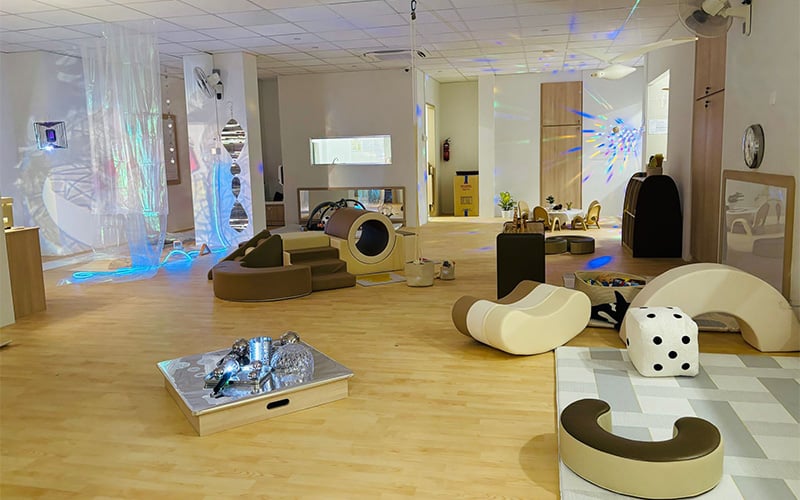
In the Reggio Emilia approach, the environment is often described as the “Third Teacher”, recognising the important role it plays in supporting children’s learning. Carefully planned learning environments encourage children to explore, make choices, and develop new understandings through meaningful interactions with the people, materials, and spaces around them.
In our centres, classrooms feature natural materials, open-ended resources, and learning provocations that invite children to investigate ideas independently. These learning environments evolve in response to children’s interests and educators’ observations, encouraging children to make decisions, take ownership of their learning, and grow in confidence as capable and independent learners.
Supporting Reflection and Growth
Reflection is an important part of the Reggio Emilia approach. By creating safe, respectful, and non-judgemental learning environments, educators encourage children to share their ideas, ask questions, and view mistakes as valuable opportunities for learning.
In our centres, educators often revisit conversations, guided inquiry projects, and shared learning experiences with children, encouraging them to reflect on what they discovered, the challenges they encountered, and what they might explore differently next time. These reflective conversations help children recognise their own progress, develop confidence in their thinking, and understand that learning is an ongoing process. Over time, this strengthens their self-esteem and encourages them to approach new experiences in preschool with curiosity, resilience, and confidence.
Why Is It Important to Nurture Confident Children?
The early years are a sensitive period for social and emotional development. During this stage, children begin forming beliefs about themselves, their abilities, and how they interact with others. When children experience encouragement, autonomy, and respect early on, confidence develops naturally alongside their communication, cognitive, and social skills.
Builds Confidence to Navigate New Experiences
Young children encounter many unfamiliar situations as they grow, from joining group experiences to adapting to new routines and environments. Confident children are often more willing to participate, explore, and approach new experiences with curiosity instead of hesitation. This also allows them to adapt more comfortably during major transitions, such as moving into primary school or interacting with larger peer groups.
Strengthens Communication and Social Skills
Confident children are also more likely to be outspoken in positive and respectful ways. They often feel more comfortable sharing their ideas, asking questions, and participating in conversations with peers and educators. Through collaborative learning experiences, children also learn how to listen to different perspectives, express themselves clearly, and interact more in social settings.
Encourages Independence and Resilience
When children are trusted to make choices and take ownership of everyday tasks, they gradually develop greater confidence in their own abilities. As they encounter challenges, solve problems, and persevere when things do not go as planned, they learn that setbacks are a natural part of learning. These everyday experiences help children become more independent, adaptable, and resilient over time.
How Parents Can Build Confidence in Their Children
Parents play an important role in nurturing confidence beyond the preschool years. By giving children opportunities to make choices, express their ideas, and take on age-appropriate responsibilities independently, families can reinforce many of the same principles that children experience in a Reggio Emilia-inspired learning environment.
Focus on Your Child’s Strengths and Interests
Children often become more confident when they have opportunities to build on their interests and experience success in areas they genuinely enjoy. Whether it is drawing, storytelling, building, music, or outdoor exploration, encouraging these interests helps children develop a stronger sense of identity, competence, and self-belief.
Model Confidence Through Your Own Actions
Children learn a great deal by observing how the adults around them respond to challenges and setbacks. When you approach unfamiliar situations with optimism, remain calm when mistakes happen, and talk openly about how you work through difficulties, you show your child that setbacks are a natural part of learning. This helps them develop the confidence to try new things and persevere when faced with challenges.
Avoid Negative Labels and Excessive Criticism
The way adults speak to children can have a lasting influence on how they see themselves. Labels such as “shy” or “lazy” may unintentionally affect a child’s confidence and willingness to participate. Rather than focusing on labels, guide specific behaviours with patience, encouragement, and constructive feedback. When children feel safe from harsh criticism or judgment, they are often more comfortable expressing themselves and taking healthy risks.
Conclusion
Confidence is built gradually through small, everyday moments. Whether it is being listened to during conversations, solving problems independently, or having the freedom to explore new ideas, these experiences help shape how children see themselves over time. When children feel trusted, respected, and supported, they become more willing to participate, communicate, and embrace unfamiliar situations with confidence.
At E-Bridge Pre-School, our Reggio Emilia-inspired, guided inquiry-based curriculum encourages children to learn through exploration, collaboration, and meaningful learning experiences. As one of the best preschools in Singapore, our centres support children as they develop the confidence, independence, and resilience they need to navigate new experiences with curiosity and a lifelong love for learning.
Contact us to learn more about our programmes and how we can support your child’s growth and development.