
- Home >
- Curriculum >
- Reggio Emilia >
- Reggio Emilia: Environment as Third Teacher
Reggio Emilia: Environment as Third Teacher
Environment as the Third Teacher: What It Is and Why It Matters
In the Reggio Emilia “Third Teacher” approach, the learning environment is seen as a powerful influence on how children think, feel, and engage with the world. Beyond teachers and peers, the space itself becomes a “third teacher” that guides exploration, encourages questions, and supports independent learning.
Classrooms are intentionally organised with open-ended materials, natural elements, and inviting learning corners that prompt children to observe, create, and collaborate. When thoughtfully designed, these spaces help children develop confidence, curiosity, and a sense of ownership over their learning, making everyday experiences more meaningful and engaging.
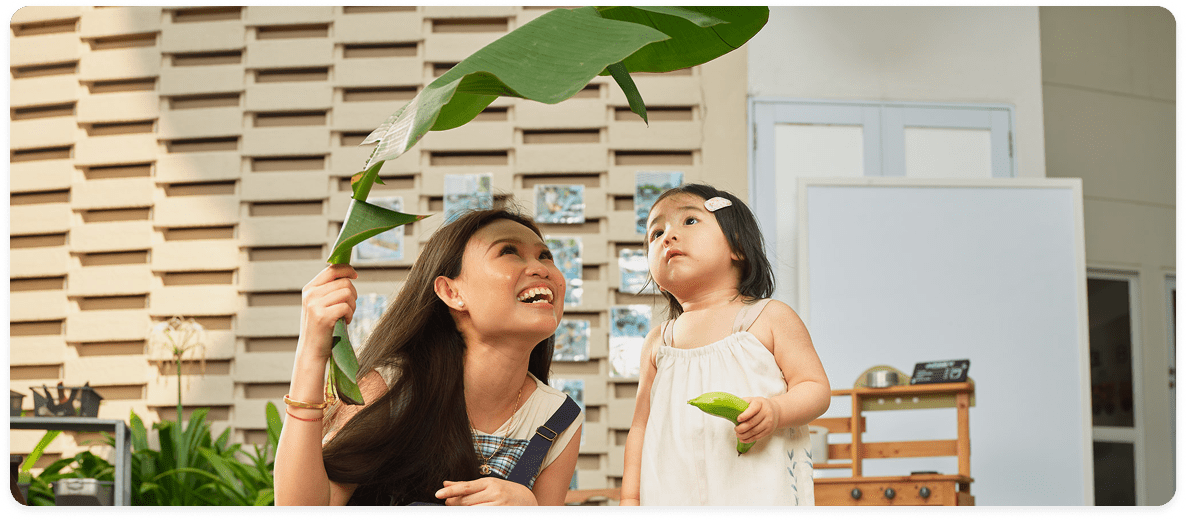
Types of the Third Teacher Environment
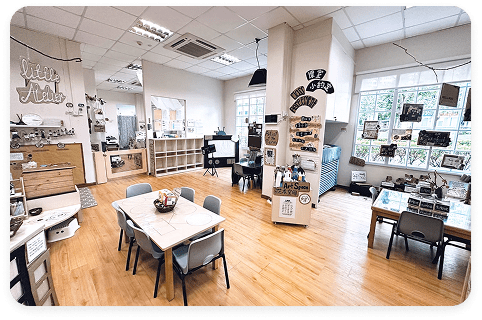
Aesthetics & Calm
Spaces are thoughtfully arranged with soft colours, natural light, and uncluttered layouts. This creates a calm and welcoming atmosphere that supports focus, emotional security, and a sense of belonging.
Nature-Based Spaces
Natural elements such as plants, wood, and outdoor learning areas are incorporated into daily experiences. These environments encourage observation, sensory exploration, and a stronger connection to the natural world.
Flexible & Open-Ended Areas
Learning zones are designed to be adaptable, allowing children to move freely and interact with materials in different ways. This flexibility supports creativity, independence, and self-directed exploration.
Interactive & Collaborative Corners
Shared spaces are created to support group activities and peer interaction. These areas encourage communication, cooperation, and the development of social and problem-solving skills.
Benefits of Third Teacher Approach
Enhanced creativity and problem-solving
Thoughtfully designed environments encourage children to explore, experiment, and think independently. Open-ended materials and flexible spaces support imaginative play while helping children develop critical thinking and problem-solving skills through hands-on discovery.
Stronger social-emotional development
Shared learning spaces promote interaction, communication, and collaboration. As children work together, they learn to express themselves, understand others’ perspectives, and build positive relationships in a supportive environment.
Greater independence and self-confidence
When children are given access to well-organised materials and choice within their environment, they are encouraged to make decisions and take ownership of their learning. This builds confidence, autonomy, and a stronger sense of responsibility.
Improved focus and engagement
Calm, well-structured spaces help minimise distractions and support sustained attention. Children are more likely to stay engaged in activities, allowing for deeper exploration and more meaningful learning experiences.
Stronger connection to the learning process
An environment designed with intention invites curiosity and participation. Children become active contributors in their own learning journey, developing a sense of belonging and motivation to explore further.
How It Looks Like in Daily Practice
Morning Setup
(Before Children Arrive)
Classrooms are thoughtfully prepared with materials arranged in accessible and inviting ways. Learning corners are set up to reflect current themes or interests, encouraging children to explore as soon as they enter the space.
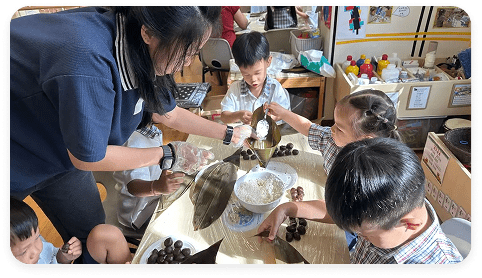
Teacher's Role During Activity
Educators observe, guide, and respond to children’s ideas rather than directing every activity. They ask open-ended questions, support exploration, and adapt the environment or materials based on how children engage with them.
Project Work
Children take part in longer-term projects based on their interests. Materials, displays, and spaces evolve alongside these projects, allowing children to revisit ideas, deepen their understanding, and collaborate with peers.
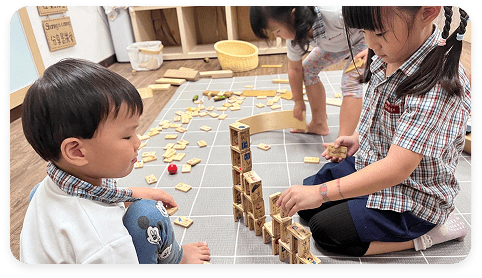
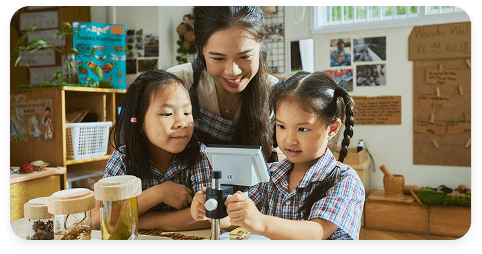
Child-Led Exploration
Children are given time and space to choose activities, move between learning areas, and interact with materials independently. This supports curiosity, decision-making, and self-directed learning.
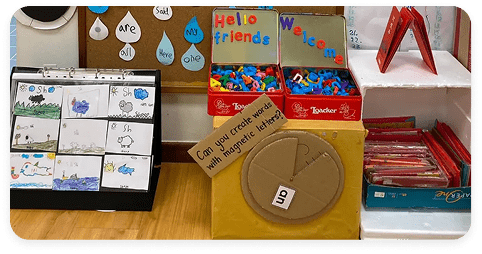
Documentation and Display
Children’s work, thoughts, and progress are documented and displayed around the classroom. These visual records make learning visible, encourage reflection, and create a sense of pride and ownership.
How Parents Can Foster “Third Teacher” Environments at Home
• Create Accessible, Intentional Spaces
Arrange areas at home so children can easily reach and use materials on their own. Keep items organised and purposeful to encourage independent play, exploration, and decision-making.
• Use Natural Light and Simple Aesthetics
Maximise natural lighting where possible and keep spaces calm with minimal clutter. A clean and soothing environment helps children focus, feel comfortable, and stay engaged in activities.
• Incorporate Natural Elements
Introduce items such as plants, wooden toys, or nature finds like leaves and stones. These elements support sensory exploration and help children develop an appreciation for the natural world.
• Display Children’s Work
Showcase drawings, crafts, and projects around the home. This helps children feel valued, encourages reflection on their learning, and builds confidence in their abilities.
• Offer Open-Ended Materials
Provide materials such as blocks, art supplies, and everyday objects that can be used in multiple ways. This supports creativity, imagination, and problem-solving through self-directed play.
• Allow Flexibility and Choice
Give children the freedom to choose activities and move between spaces. Flexible routines and environments support independence, curiosity, and a sense of ownership over their learning.
Frequently Asked Questions
What does “environment as the third teacher” mean?
It refers to the idea that the learning environment plays an active role in a child’s development, alongside teachers and peers. Thoughtfully designed spaces can guide exploration, encourage interaction, and support meaningful learning experiences.
How is this approach used in preschools in Singapore?
In preschools, this approach is applied by creating structured yet engaging learning environments with accessible materials, defined learning areas, and opportunities for both guided and independent exploration.
Is the third teacher concept suitable for infant care in Singapore?
Yes, even in infant care environments, spaces are carefully arranged to support sensory exploration, movement, and early interactions. Simple, safe, and responsive setups help infants engage with their surroundings.
How does this approach support inquiry-based learning?
The environment encourages children to ask questions, explore ideas, and test their understanding. With open-ended materials and flexible spaces, inquiry-based learning happens naturally through hands-on experiences.
Can parents apply the third teacher concept at home?
Yes, parents can create simple, intentional spaces at home with accessible materials, natural elements, and areas for display. These small changes can support independence, creativity, and everyday learning.